What Is SEO for AI?
SEO for AI is commonly called AI SEO, AI-driven SEO, or more recently Generative Engine Optimization (GEO). At its core, SEO for AI refers to the practice of optimizing digital content so it can be easily understood, evaluated and surfaced by artificial intelligence-powered search engines rather than relying only on traditional keyword-based algorithms.
In simple words, SEO for AI focuses less on stuffing keywords and more on meaning, context, intent, and usefulness. Search engines like Google and Bing no longer “read” pages the way they did ten years ago. Instead, they interpret, analyze, and predict what users want using machine learning models. That’s where AI-focused SEO comes into play.
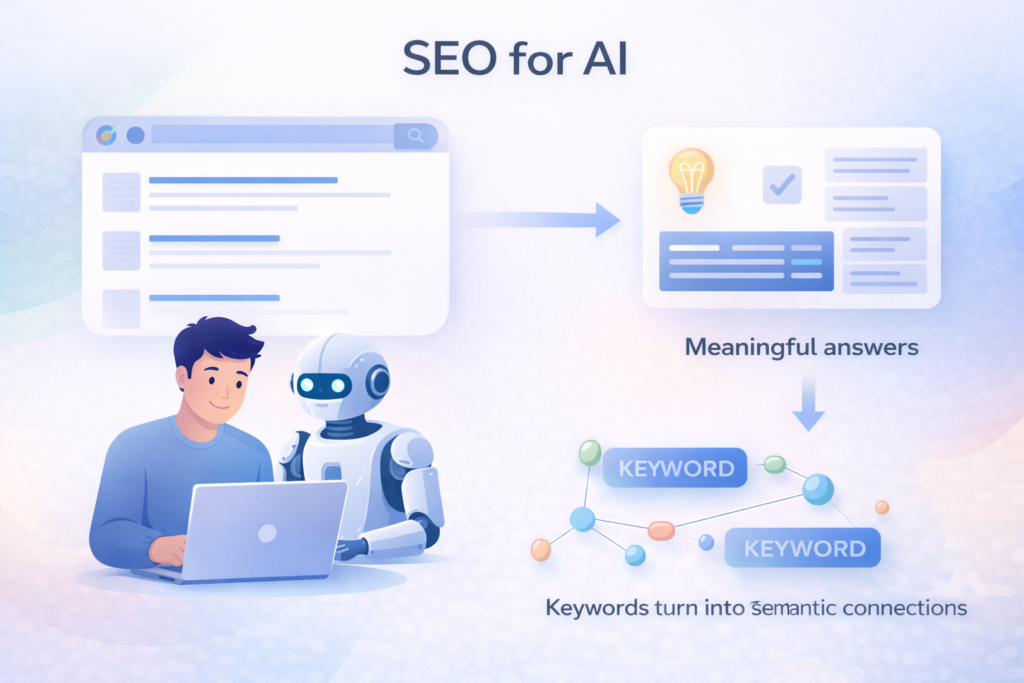
Think of it like talking to a very smart assistant. If you explain something clearly, naturally, and helpfully, the assistant understands you better. AI SEO works the same way. Content is written for humans first, but structured so AI systems can extract insights, summarize answers, and rank pages accurately.
This shift has changed how businesses, bloggers, and marketers approach SEO. It’s no longer about tricks—it’s about clarity, depth, relevance, and trust. That’s why the question “what is SEO for AI called?” is becoming increasingly important in modern digital marketing conversations.
Why the Question “What Is SEO for AI Called?” Matters Today
The question matters because search itself has changed. People no longer just type short keywords like “best phone.” They ask full questions such as, “What is the best phone for photography under $1,000?” AI-powered search engines are designed to answer those questions directly.
As AI-generated answers, featured snippets, and AI overviews dominate search result pages, content creators must adapt. Understanding what SEO for AI is called—and how it works—helps businesses stay visible in a world where search engines are becoming answer engines.
This matters for:
-
Bloggers who want traffic
-
Businesses that rely on organic leads
-
Brands competing for authority
-
Marketers planning long-term strategies
If you ignore AI SEO, your content risks becoming invisible—even if it’s well-written. AI doesn’t just rank pages; it selects information, summarizes it, and sometimes answers without a click. That’s why optimizing for AI understanding is no longer optional.
The Evolution of SEO: From Keywords to Artificial Intelligence
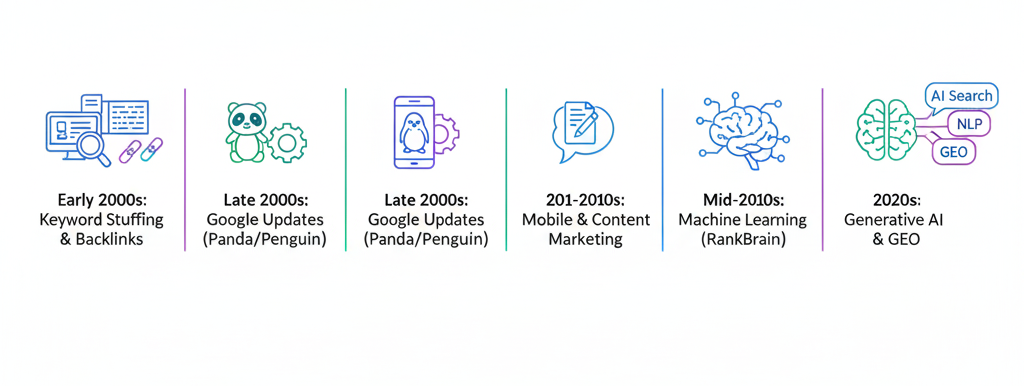
Traditional SEO
Traditional SEO was simple. Use the right keywords, add meta tags, build backlinks, and you could rank. Search engines relied heavily on exact keyword matches and link signals.
Algorithmic SEO
As spam increased, algorithms became smarter. Google introduced updates like Panda and Penguin, focusing on content quality and link authenticity. SEO became more strategic and less manipulative.
AI-Driven SEO
Now we’re in the AI era. Search engines use:
-
Machine learning
-
Natural language processing
-
Semantic analysis
They understand synonyms, intent, tone, and context. SEO for AI is the result of this evolution. It’s not about gaming the system—it’s about aligning with intelligence.
Common Names Used for SEO for AI
So, what is SEO for AI called? There isn’t just one name. Several terms are used depending on context.
AI SEO
The most common term. It refers to using AI-aware strategies to optimize content for AI-powered search algorithms.
AI-Driven SEO
This emphasizes the role of artificial intelligence in both search engines and SEO tools.
Search Experience Optimization (SXO)
SXO blends SEO, UX, and AI understanding. It focuses on the entire user journey, not just rankings.
Generative Engine Optimization (GEO)
A newer term referring to optimizing content for generative AI systems like Google AI Overviews, ChatGPT-style answers, and voice assistants.
Among all these, AI SEO and GEO are emerging as the most widely accepted answers to “what is SEO for AI called.”
How Search Engines Use AI Today
Search engines no longer match words—they interpret meaning.
Google RankBrain
RankBrain was one of Google’s first AI systems. It helps interpret unfamiliar queries and adjust rankings based on user behavior.
BERT and MUM
BERT understands natural language context. MUM goes further by understanding text, images, and multiple languages simultaneously.
AI Overviews and Generative Search
Google now generates AI-powered summaries at the top of results. This means your content must be clear, factual, and structured to be selected.
What Is Generative Engine Optimization (GEO)?
Generative Engine Optimization is the practice of optimizing content so AI-generated answers reference or summarize your content.
Unlike traditional SEO, GEO focuses on:
-
Clear explanations
-
Structured data
-
Direct answers
-
Trustworthy sources
If AI engines are the chefs, your content is the ingredient they choose. GEO ensures your ingredient is fresh, reliable, and easy to use.
AI SEO vs Traditional SEO: Key Differences
| Aspect | Traditional SEO | AI SEO |
|---|---|---|
| Focus | Keywords | Intent & meaning |
| Content | Optimized for bots | Optimized for humans & AI |
| Ranking | Links & keywords | Context, usefulness, trust |
| Strategy | Reactive | Predictive |
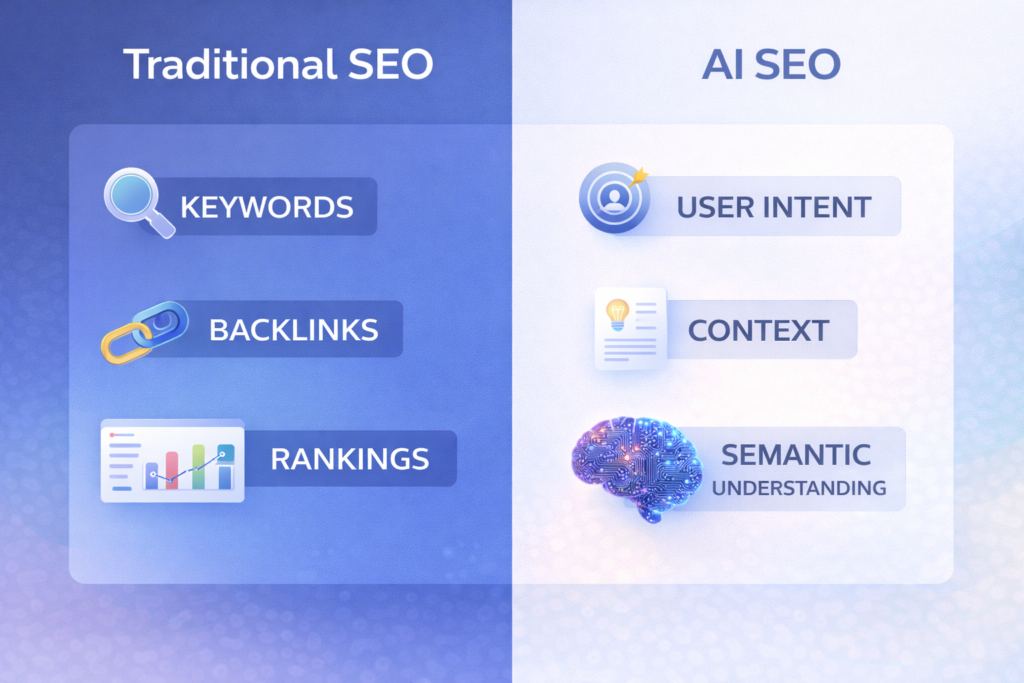
AI SEO doesn’t replace traditional SEO—it builds on it.
How AI Changes Keyword Research
Keywords still matter, but not the way they used to.
AI SEO focuses on:
-
Topic clusters
-
Semantic keywords
-
Conversational phrases
-
Question-based searches
For example, instead of targeting “SEO AI,” you optimize for:
-
“What is SEO for AI called?”
-
“How does AI affect SEO?”
-
“Best SEO strategies for AI search”
This mirrors how humans actually think and ask questions.
Content Optimization for AI-Powered Search Engines
AI loves content that is:
-
Well-structured
-
Clearly written
-
Factually accurate
-
Helpful
Use headings, bullet points, tables, and examples. Explain concepts like you’re teaching a beginner. AI systems reward clarity because it improves user satisfaction.
User Intent, Context, and Semantic Search
AI analyzes:
-
Why a user searched
-
What problem they want solved
-
How satisfied they are with the result
This means stuffing keywords without answering the question simply won’t work. Intent-driven content wins every time.
Technical SEO in the Age of AI
Technical SEO still matters:
-
Fast loading pages
-
Mobile optimization
-
Clean HTML
-
Structured data (schema)
AI relies on these signals to understand and trust your content.
Examples of SEO for AI in Real Life
-
A blog optimized for FAQs gets picked up in AI Overviews
-
Structured guides appear in voice search answers
-
Clear definitions are summarized by AI assistants
These are real examples of AI SEO at work.
Tools Used for AI SEO
Popular tools include:
-
AI-powered keyword research tools
-
Content optimization platforms
-
NLP analysis tools
-
Search intent mapping software
These tools help align content with how AI thinks.
Best Practices to Optimize Content for AI Search
-
Write naturally
-
Answer questions directly
-
Use structured headings
-
Focus on expertise and trust
-
Update content regularly
AI rewards freshness and authority.
Future of SEO for AI
The future is conversational, predictive, and personalized. SEO for AI will focus more on:
-
Brand authority
-
Expert content
-
Multi-format optimization (text, video, voice)
Those who adapt early will dominate search visibility.
Common Mistakes to Avoid
-
Over-optimizing keywords
-
Ignoring user intent
-
Writing for algorithms instead of people
-
Publishing thin or generic content
AI can detect low-value content faster than ever.
Conclusion
So, what is SEO for AI called? The most accurate answers are AI SEO, AI-driven SEO, and Generative Engine Optimization (GEO). These terms describe a modern approach to search optimization where artificial intelligence, not just algorithms, determines visibility.
SEO for AI is about clarity, relevance, and trust. It’s about helping intelligent systems understand your content so they can confidently recommend it to users. As search continues to evolve, mastering AI SEO is no longer optional—it’s essential.