Pinterest Affiliate Marketing: The Complete SEO-Driven Guide for Sustainable Income
The way of choosing Pinterest affiliate marketing has become one of the most powerful ways to earn passive income online. While many marketers chase fast results on Instagram, TikTok, or paid ads…, Pinterest operates on a completely different wavelength.
Unlike platforms where content disappears within hours, Pinterest pins can drive traffic for months—or even years—after publishing. A single well-optimized pin can continue sending targeted visitors to your affiliate links long after you’ve forgotten about it. That’s not hype. That’s how Pinterest’s evergreen discovery system works. Users come to Pinterest with intent. They’re planning purchases, researching solutions, and saving ideas for future action. That intent is gold for affiliate marketers.
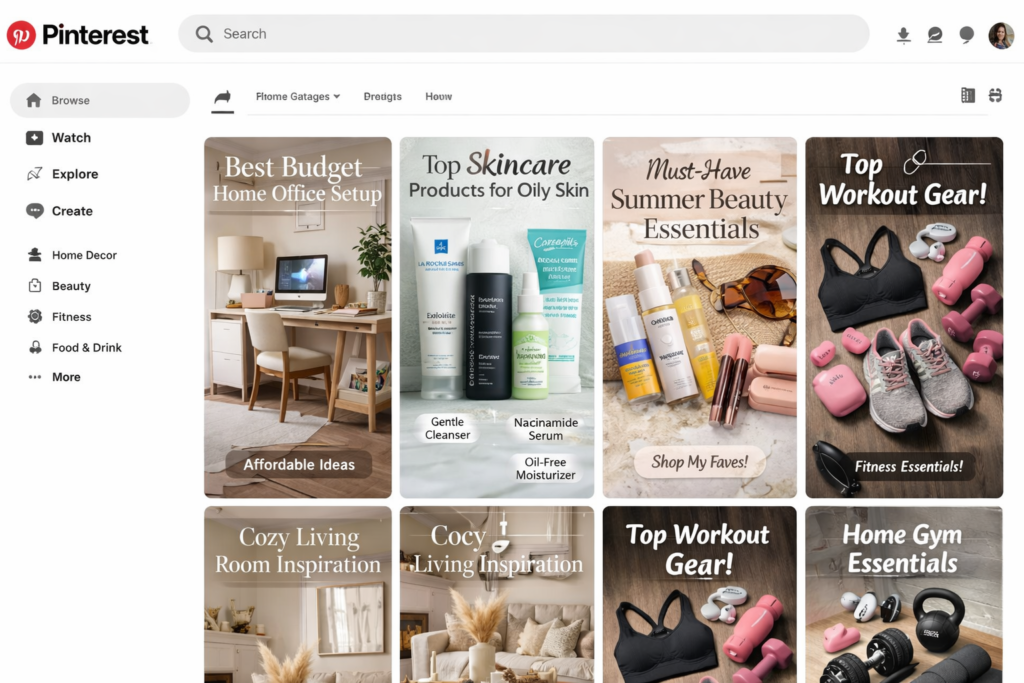
“This is how affiliate content appears naturally inside the Pinterest feed—no selling pressure, just inspiration.”
Another major reason Pinterest affiliate marketing stands out is accessibility. You don’t need a massive following. You don’t need to show your face. You don’t even need a website to get started. What you do need is a clear strategy, proper keyword research, eye-catching visuals, and respect for Pinterest’s rules.
In this post, we’re diving deep into Pinterest affiliate marketing from an SEO and content marketing perspective. This isn’t about shortcuts or spammy tactics that get accounts suspended. This is about building a sustainable system that aligns with Pinterest’s algorithm, user behavior, and long-term trends. Whether you’re a beginner testing your first affiliate link or an experienced marketer looking to scale, this blog post will walk you through every critical step with clarity and depth.
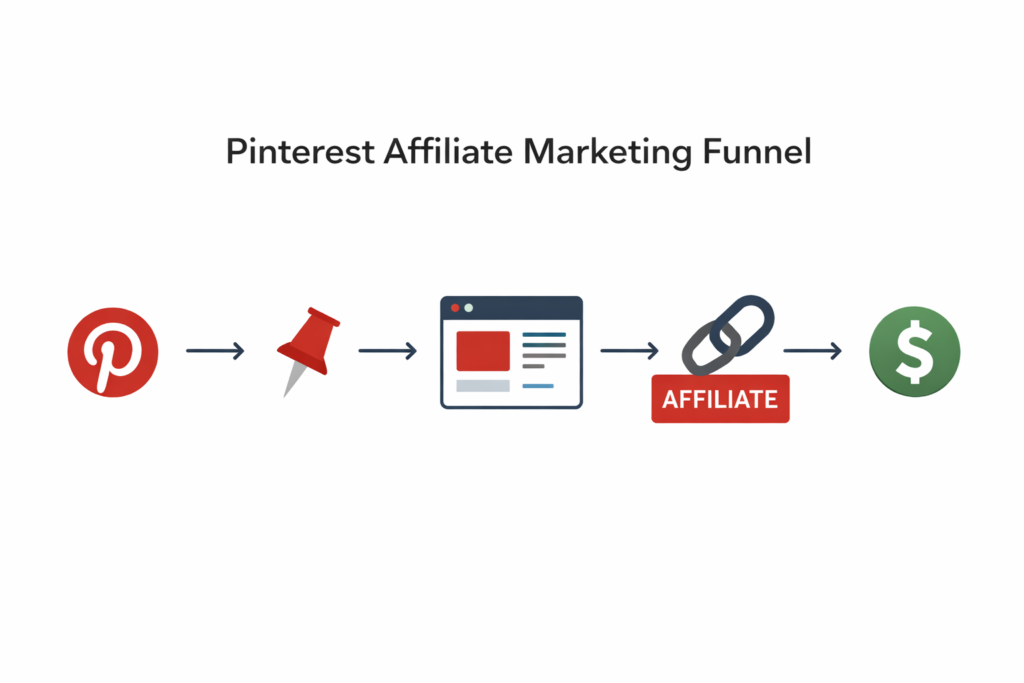
“Pinterest works like a traffic engine, not a social feed.”
Basics that Must Be Understood About Pinterest as a Search Engine
Most people make their first mistake with Pinterest by treating it like Instagram. Pinterest is not a social networking platform at its core—it’s a search and discovery engine. Understanding this single fact can completely change your results with affiliate marketing.
Pinterest functions much closer to Google than to Facebook or TikTok. Users type keywords into the search bar, browse results, save ideas, and return later to take action. Every pin you publish is indexed, categorized, and ranked based on relevance, keywords, and engagement signals. That means SEO matters—a lot.
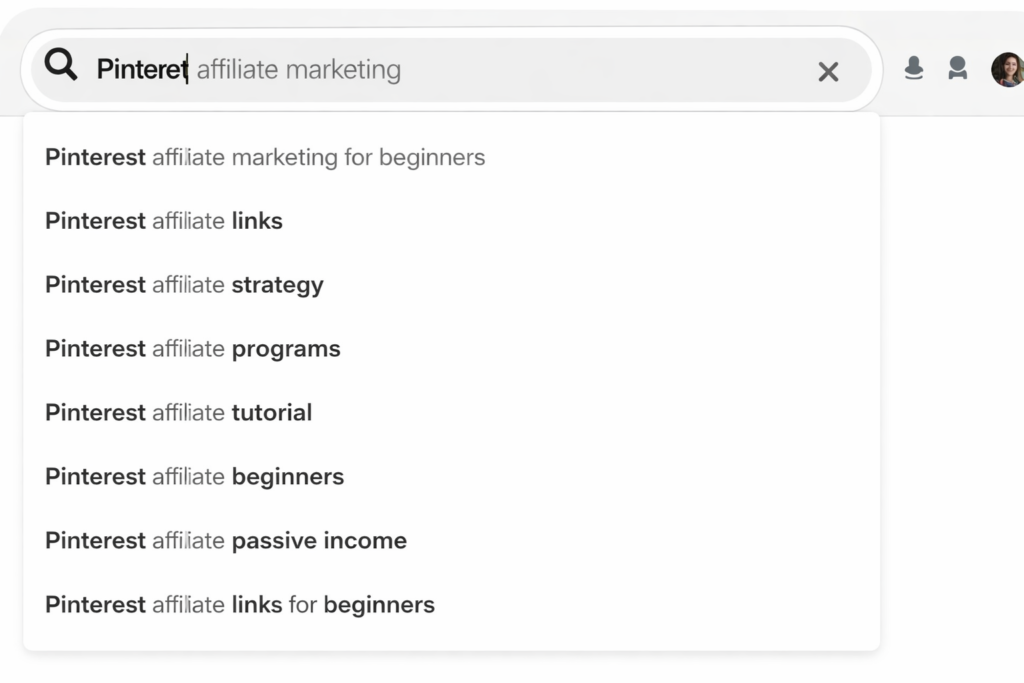
“Pinterest tells you exactly what users are searching for—these are built-in SEO keywords.”
When someone searches for “home office decor ideas” or “best budget skincare products,” Pinterest scans millions of pins to decide which ones best match that intent. Your job as an affiliate marketer is to create pins that clearly answer that search intent while subtly guiding users toward your affiliate offer.
Another key difference is content lifespan. On social platforms, content is chronological and fleeting. On Pinterest, content is evergreen. A pin created today can resurface months later if it aligns with trending searches or seasonal interest. That’s why Pinterest affiliate marketing rewards patience and consistency rather than viral spikes.
User behavior on Pinterest is also uniquely commercial. Studies consistently show that Pinterest users are planners and buyers. They’re saving pins to boards titled “Things to Buy,” “Dream Kitchen,” or “Healthy Meal Plan.” That means your affiliate content isn’t interrupting them—it’s helping them.
Once you understand Pinterest as a visual search engine powered by SEO, everything else—keywords, pin design, boards, and descriptions—starts to make strategic sense.
What Is Affiliate Marketing on Pinterest
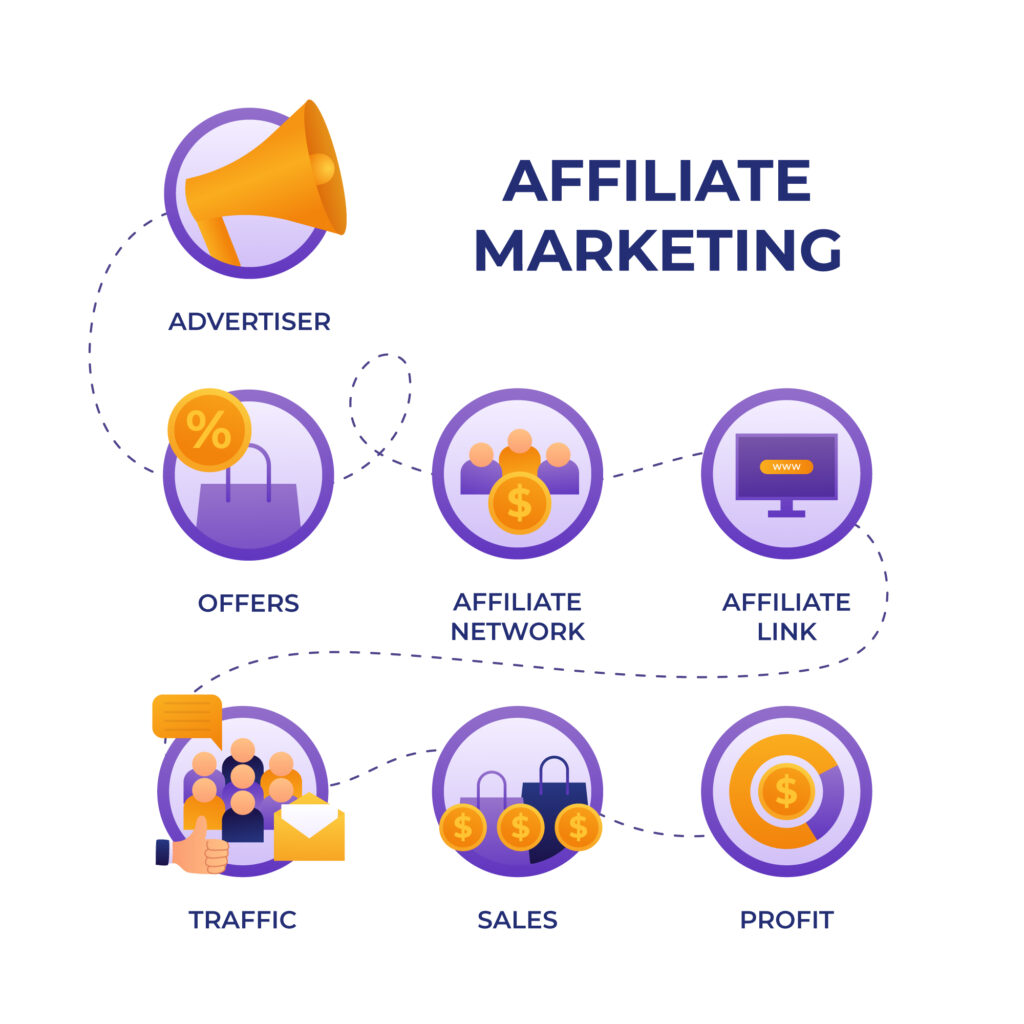
Affiliate marketing on Pinterest is the process of promoting products or services using unique referral links, earning a commission when someone makes a purchase through your link. Pinterest acts as the traffic source, while affiliate programs handle tracking, payments, and fulfillment.
The basic flow looks like this:
-
You create a pin highlighting a product or solution.
-
The pin links to an affiliate URL or content containing affiliate links.
-
A user clicks, purchases, and you earn a commission.
What makes Pinterest unique is how naturally affiliate links can be integrated. Instead of aggressive selling, you’re presenting ideas, inspiration, and solutions. A pin titled “10 Must-Have Kitchen Gadgets for Small Apartments” doesn’t feel like an ad—it feels helpful. Yet behind the scenes, it can generate consistent affiliate income.
Affiliate marketing models on Pinterest typically include:
-
Pay-per-sale (PPS): Earn a percentage per purchase
-
Pay-per-lead (PPL): Earn when users sign up
-
Recurring commissions: Common in software and subscriptions

“A great affiliate pin focuses on benefits, not links.”
Pinterest works best for physical products, digital downloads, courses, tools, and lifestyle-related services. The key is alignment between what users are searching for and what you’re promoting.
When done correctly, Pinterest affiliate marketing becomes less about selling and more about curating solutions people are already looking for.
Why Pinterest Is Perfect for Affiliate Marketing
Pinterest wasn’t built for creators—it was built for discoverers. That’s exactly why affiliate marketing thrives here. The platform naturally supports buying behavior without feeling salesy.
One major advantage is evergreen traffic. Unlike Instagram stories that vanish in 24 hours, Pinterest pins can resurface again and again. This allows affiliate marketers to build a growing library of traffic assets instead of constantly chasing engagement.
Another advantage is high buyer intent. Pinterest users are planners. They’re researching before they buy. They save pins for later, compare options, and return when they’re ready to purchase. That long decision window gives affiliate links multiple chances to convert.
Pinterest is also beginner-friendly. You don’t need advanced tech skills, expensive tools, or influencer status. A free business account, consistent pinning, and SEO knowledge can take you surprisingly far.
Finally, Pinterest scales beautifully. One pin can be repurposed into multiple designs, scheduled months ahead, and optimized over time. That scalability is what transforms Pinterest affiliate marketing from a side hustle into a serious income stream.
Pinterest Affiliate Marketing Rules and Guidelines
Pinterest welcomes affiliate marketers—but only if you play by the rules. Ignoring these guidelines is the fastest way to lose your account and traffic.
Pinterest allows affiliate links, but transparency is mandatory. You must clearly disclose affiliate relationships. Simple disclosures like “#affiliate” or “This post contains affiliate links” are sufficient and should appear in pin descriptions or landing pages.
Spam is strictly prohibited. That includes:
-
Posting the same pin repeatedly
-
Using misleading images or text
-
Cloaking or shortening affiliate links deceptively
Pinterest also prefers value-driven content. Direct affiliate links are allowed, but content that educates, reviews, or compares products performs better and is safer long-term.
FTC compliance is non-negotiable. Disclosures protect both you and your audience. When in doubt, over-disclose rather than under-disclose.
Following these guidelines doesn’t limit your earnings—it protects and stabilizes them.
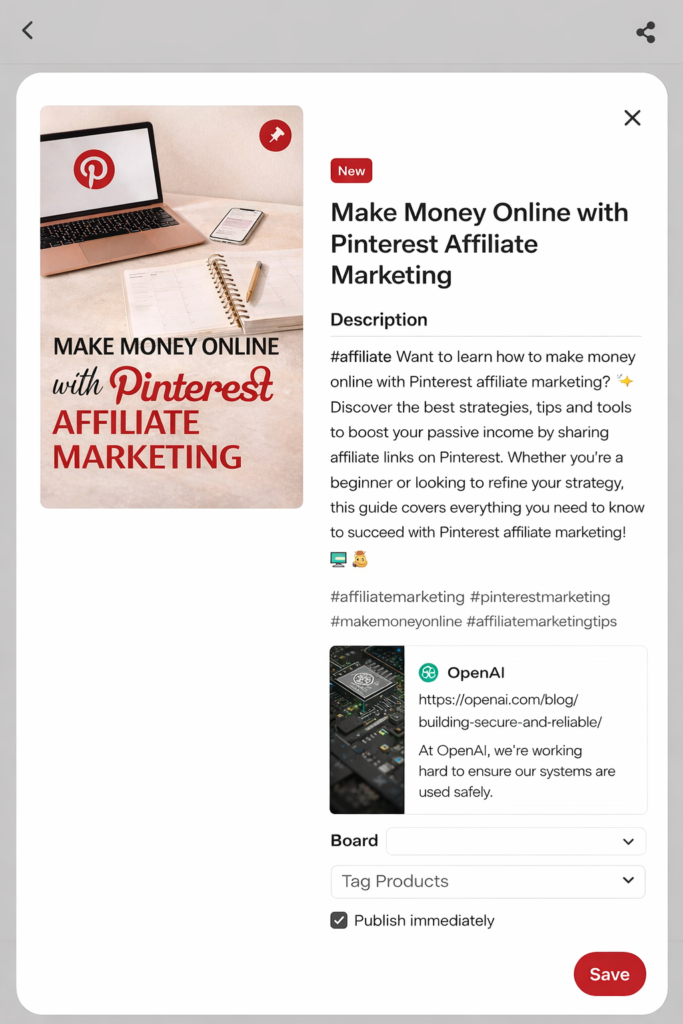
“Always disclose affiliate links clearly—Pinterest allows them when done correctly.”
Setting Up a Pinterest Business Account
A Pinterest business account is essential for affiliate marketing. It unlocks analytics, advertising options, and credibility. Setup is free and takes only a few minutes.
With a business account, you can:
-
Access keyword and performance data
-
Claim your website for increased visibility
-
Run promoted pins if desired
Claiming your website is especially important. It builds trust with Pinterest and gives you enhanced pin distribution. Even if you don’t have a website yet, planning for one is wise.
Pinterest analytics will show you:
-
Impressions
-
Saves
-
Clicks
-
Outbound traffic
These metrics help you refine your SEO strategy and double down on what works.
Choosing the Right Affiliate Programs
Not all affiliate programs are Pinterest-friendly. Choosing the right ones can make or break your results.
High-performing Pinterest niches include:
-
Home décor and DIY
-
Beauty and skincare
-
Health and wellness
-
Food and recipes
-
Fashion and accessories
-
Digital tools and printables
Affiliate networks worth exploring:
-
Amazon Associates
-
ShareASale
-
Impact
-
CJ Affiliate
-
ClickBank (with caution)
Look for programs with:
-
Clear terms
-
Competitive commissions
-
Strong brand trust
-
Visual products
Note – Pinterest users value aesthetics and credibility. If the product looks cheap or misleading, conversions will suffer.
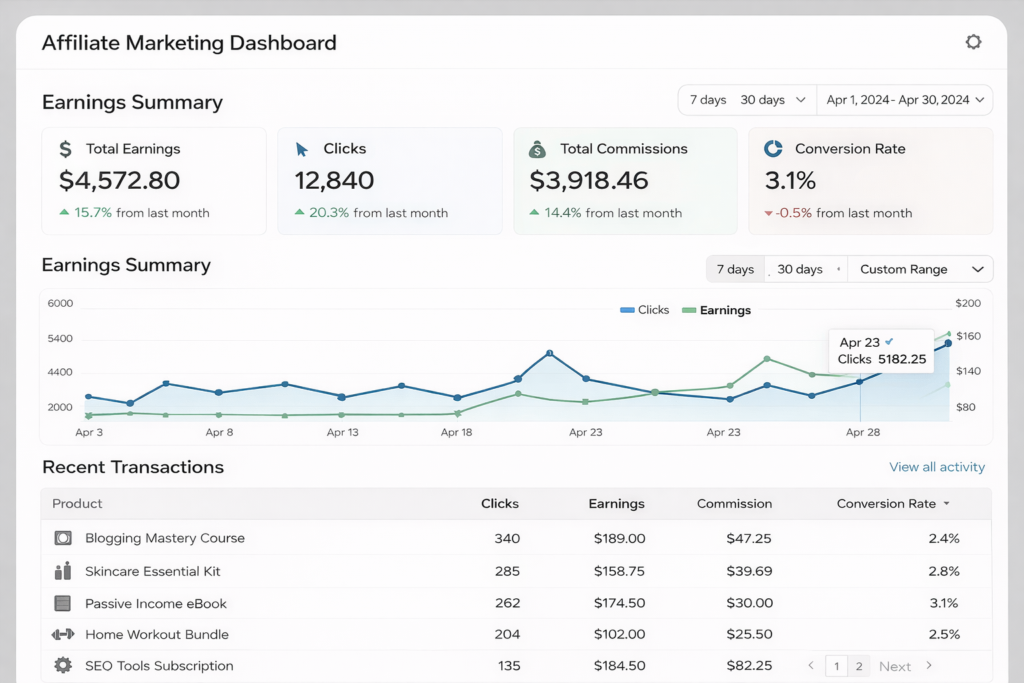
“This is where Pinterest traffic becomes real revenue.”
Keyword Research for Pinterest Affiliate Marketing
Pinterest SEO begins and ends with keywords. Without them, your pins are invisible.
Pinterest keywords come directly from:
-
The search bar autocomplete
-
Guided search bubbles
-
Pinterest Trends tool
Focus on long-tail keywords. Instead of “fitness,” target “home workout plan for beginners.” Long-tail keywords have lower competition and higher intent.
Place keywords in:
-
Pin title
-
Pin description
-
Board name
-
Board description
-
Image file name
This layered approach strengthens relevance and ranking.
Creating High-Converting Pinterest Pins
A pin is a visual promise. If it doesn’t stop the scroll, nothing else matters.
High-converting pins share these traits:
-
Vertical format (1000×1500 or 1000×1800)
-
Clear headline text
-
High-contrast colors
-
One clear message
Emotion drives clicks. Use curiosity, benefits, and clarity. Avoid clutter. One idea per pin works best.
Your pin design should answer one question: Why should I click this right now?
Optimizing Boards for Affiliate SEO
Boards are often overlooked, yet they’re powerful SEO assets.
Board optimization tips:
-
Use keyword-rich board names
-
Write detailed board descriptions
-
Keep boards tightly themed
Instead of a board called “My Favorites,” use “Best Budget Home Office Ideas.” This helps Pinterest understand and rank your content.
Boards act like topical authority signals. The more focused they are, the better your pins perform.
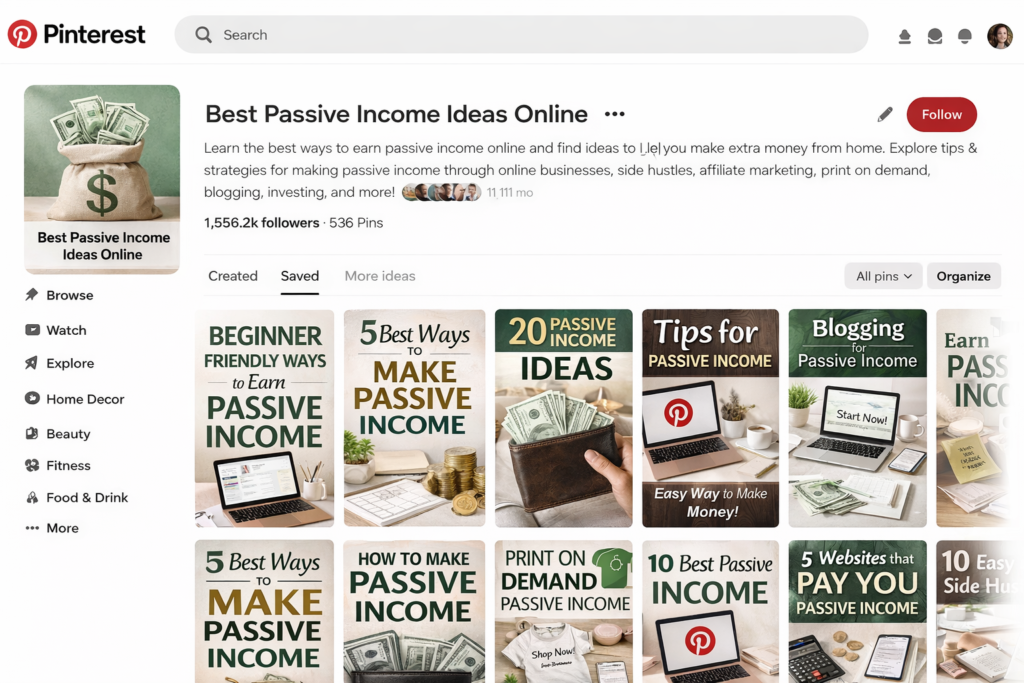
“SEO-optimized boards help Pinterest understand what your content is about.”
Content Strategies for Pinterest Affiliate Success
Pinterest rewards consistency and freshness. The best affiliate strategies include a mix of:
-
Direct affiliate pins
-
Blog content pins
-
Comparison pins
-
List-style pins
Blog-based affiliate content converts best long-term because it builds trust. Direct affiliate pins work faster but require careful compliance.
Idea Pins boost reach but don’t allow links—use them for brand awareness, not conversions.
Pinterest SEO Best Practices
Pinterest SEO isn’t about hacks. It’s about clarity and relevance.
Best practices include:
-
Creating fresh pins regularly
-
Updating old content
-
Avoiding keyword stuffing
-
Monitoring trends
Hashtags are optional but not essential. Keywords matter more.
Consistency beats volume. Ten optimized pins outperform fifty random ones.
Driving Traffic Without a Website
Yes, you can do Pinterest affiliate marketing without a website—but it has limits.
Direct affiliate links work best when:
-
The brand is well-known
-
The offer is simple
-
The pin is highly targeted
Alternatives include:
-
Link-in-bio tools
-
Landing page builders
Websites provide control, SEO depth, and long-term stability. Without one, you’re building on rented land.
Scaling Pinterest Affiliate Marketing
Scaling comes from systems, not hustle.
Key scaling methods:
-
Scheduling tools like Tailwind
-
Batch content creation
-
Repurposing designs
-
Outsourcing pin creation
Data-driven decisions separate hobbyists from professionals.
Tracking Performance and Analytics
Pinterest analytics tell you what’s working. Affiliate dashboards tell you what’s converting.
Track:
-
Click-through rates
-
Conversion rates
-
Top-performing pins
-
Seasonal trends
Optimize based on performance, not assumptions.
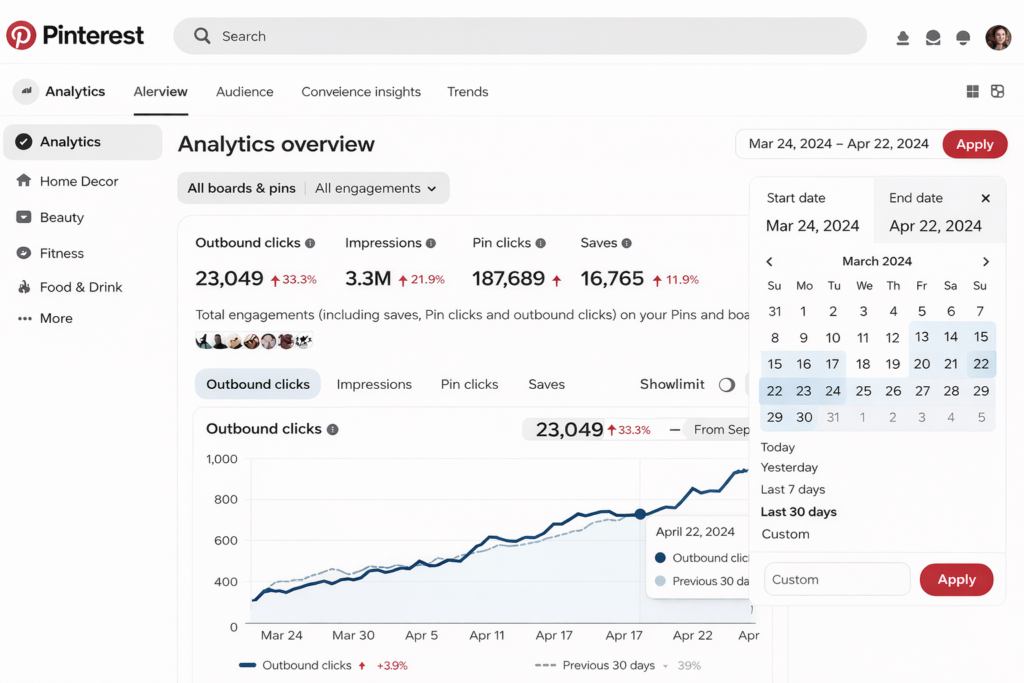
“Analytics show which affiliate pins are actually making money.”
Common Mistakes to Avoid
Avoid these common pitfalls:
-
Over-pinning the same link
-
Ignoring disclosures
-
Poor design quality
-
Giving up too early
Pinterest rewards patience.
Future of Pinterest Affiliate Marketing
Pinterest continues evolving toward shopping and discovery. AI-powered recommendations, visual search, and product tagging are expanding opportunities.
Affiliate marketers who focus on value, SEO, and trust will thrive long-term.
Conclusion
Pinterest affiliate marketing isn’t a shortcut—it’s a strategy. When combined with SEO, quality visuals, and ethical promotion, it becomes one of the most sustainable income models available today. Start focused, stay consistent, and let Pinterest’s evergreen engine work for you.
Some FAQs
1. Can beginners really make money with Pinterest affiliate marketing?
Yes, with consistent SEO-optimized pinning and the right niches.
2. How long does it take to see results?
Typically 2–4 months, depending on consistency and competition.
3. Do I need paid tools to succeed?
No, but tools can speed up scaling.
4. Is Pinterest affiliate marketing still profitable?
Yes, especially for evergreen niches.
5. Can I use multiple affiliate programs on one account?
Absolutely, as long as disclosures are clear.