How to Build a Long-Term Brand with a Digital Marketing Strategy
Building a long-term brand with a digital marketing strategy isn’t about hacks, viral posts, or overnight success. It’s more like planting a forest than growing a single tree. You nurture it, protect it, and give it time to grow deep roots. In today’s hyper-competitive digital landscape, brands that lasts are the ones that play the long game—focused on trust, consistency, and value rather than quick wins.
Digital marketing gives brands something traditional marketing never could: direct, ongoing relationships with their audience. But with that power comes responsibility. Every blog post, social update, email, and ad contributes to how people perceive your brand. The question isn’t “How do I get more clicks today?” It’s “How do I stay relevant, trusted, and loved five or ten years from now?”
A long-term brand strategy aligns marketing efforts with business vision. It ensures that SEO, content marketing, social media, paid ads, and email campaigns all speak the same language. When done right, digital marketing becomes a compounding asset—each effort building on the last.
In this guide, you’ll learn how to build a long-term brand using digital marketing strategies rooted in sustainability, authenticity, and measurable growth. This isn’t theory. These are practical, proven approaches used by enduring brands like Apple, Nike, and HubSpot—adapted for businesses of any size.

Understanding What a Long-Term Brand Really Means in the Digital Age
A long-term brand is not defined by how loud it shouts, but by how clearly it’s remembered. In the digital age, attention is cheap, but trust is expensive. Anyone can run ads or publish content, but very few brands consistently deliver value over time. That’s the difference between being visible and being valuable.
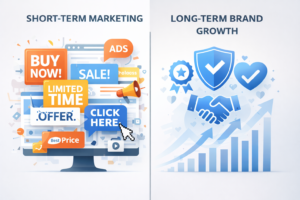 Short-term marketing focuses on transactions. Long-term branding focuses on relationships. Think of it like dating versus marriage. Performance campaigns may get quick conversions, but branding keeps customers coming back, even when competitors offer lower prices. A strong brand creates emotional equity—people choose it because it feels familiar, reliable, and aligned with their beliefs.
Digitally, this means showing up consistently across platforms. Your website, social media profiles, Google search presence, and email communication should all reinforce the same promise. Algorithms change. Platforms rise and fall. But a trusted brand survives those shifts because people actively seek it out.
Search behavior proves this. Branded searches on Google—queries that include a company name—are one of the strongest indicators of long-term brand success. When users search directly for you instead of generic keywords, you’ve won mindshare.
Long-term brands also understand patience. SEO takes months. Content authority takes years. Social communities grow slowly but powerfully. Instead of chasing every trend, these brands build systems that scale over time.
The Foundations of a Strong Digital Brand Strategy
Every enduring brand starts with a clear foundation. Without it, digital marketing becomes noise—lots of activity, little impact. Your foundation consists of three core elements: vision, mission, and values. These aren’t corporate buzzwords; they’re decision-making tools.
Your vision defines where your brand is going. Your mission explains why you exist today. Your values guide how you communicate and behave. When these are clear, content creation becomes easier, campaigns feel aligned, and audiences sense authenticity.
Brand positioning is another critical pillar. It answers one essential question: Why should someone choose you over alternatives? This isn’t about being everything to everyone. It’s about owning a specific space in the customer’s mind.
Digitally, positioning influences: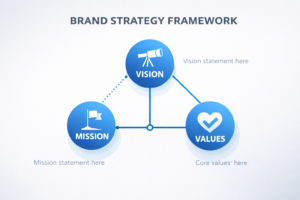
-
Keyword selection in SEO
-
Messaging in paid ads
-
Tone of voice in content
-
Visual design across platforms
For example, Patagonia positions itself around environmental responsibility. That positioning flows into its content, social media activism, and even SEO keywords related to sustainability.
A strong foundation prevents brand drift. As your marketing scales and more people get involved, your brand remains coherent. Consistency builds recognition, and recognition builds trust.
Defining Your Target Audience with Data and Empathy
You can’t build a long-term brand for “everyone.” Brands that try to do so end up diluted and forgettable. The strongest digital brands know exactly who they serve—and who they don’t.
Audience definition starts with data: analytics, CRM insights, social media metrics, and search intent. Tools like Google Analytics, Google Search Console, and SEMrush reveal how people find you, what they care about, and where they drop off.
 But data alone isn’t enough. Long-term branding requires empathy. You need to understand:
-
What keeps your audience up at night
-
What motivates their decisions
-
What language they use
This is where buyer personas come in. A well-crafted persona goes beyond demographics. It includes goals, fears, objections, and content preferences. When you write content or design campaigns with a real person in mind, it feels human—not robotic.
Intent-based marketing is especially important in SEO. Someone searching “best CRM software” has different expectations than someone searching “what is CRM.” Long-term brands create content for every stage of awareness, nurturing users instead of rushing them.
When your audience feels understood, loyalty follows. And loyalty is the currency of long-term brands.
Brand Identity: Creating a Consistent and Memorable Presence
Brand identity is what people recognize before they even read a word. Colors, typography, imagery, and tone work together to create familiarity. In digital marketing, consistency isn’t optional—it’s survival.
Visual consistency across your website, social media, ads, and emails reinforces memory. Think about how instantly recognizable brands like Coca-Cola or Spotify are. That recognition didn’t happen by accident.
But identity goes deeper than visuals. Your brand voice—whether friendly, authoritative, playful, or bold—should remain consistent across all digital touchpoints. A blog post, Instagram caption, and email newsletter should sound like they come from the same person.
Inconsistency creates friction. If your website feels professional but your social media feels sloppy, trust erodes. Long-term brands obsess over details because details compound.
A documented brand style guide helps maintain this consistency as your team grows. It ensures that no matter who creates content, the brand feels unified and intentional.
Content Marketing as the Backbone of Long-Term Branding
Content marketing is the heartbeat of digital branding. Unlike ads, content doesn’t disappear when you stop paying. It keeps working, attracting, educating, and building trust over time.
Long-term brands prioritize value-driven content. Instead of pushing products, they solve problems. Blogs, videos, podcasts, guides, and newsletters form a content ecosystem that supports the customer journey.
Educational content builds authority. Story-driven content builds emotional connection. Evergreen content builds SEO equity. Together, they create a powerful brand asset.
Brands like HubSpot mastered this by teaching before selling. Their content answers questions so well that trust is established long before a sales conversation begins.
Consistency matters more than volume. Publishing one exceptional piece per week for years beats posting daily for a month and disappearing. Content is a promise—keep it.
Search Engine Optimization (SEO) for Sustainable Brand Growth
If content is the heart of long-term branding, SEO is the circulatory system that keeps it alive and visible. A brand that isn’t discoverable in search engines is like a billboard hidden in the desert—beautiful, but useless. Long-term brands don’t treat SEO as a trick or loophole; they treat it as a strategic investment in visibility, credibility, and authority.
Sustainable SEO starts with on-page optimization. This includes keyword research aligned with brand intent, not just traffic volume. Long-term brands target a mix of:
-
Informational keywords (to educate)
-
Navigational keywords (to support branded searches)
-
Commercial keywords (to support buying decisions)
But keyword placement alone won’t build a brand. Search engines now prioritize E-E-A-T (Experience, Expertise, Authoritativeness, and Trust). That means your content must demonstrate real knowledge, not generic summaries. Case studies, original insights, expert quotes, and first-hand experience signal authenticity to both users and algorithms.
Off-page SEO plays a major role in brand authority. High-quality backlinks act like digital word-of-mouth. When reputable websites reference your content, your brand earns credibility. Long-term brands focus on relationship-based link building—PR mentions, guest contributions, partnerships—not spammy tactics.
Then there’s technical SEO, the invisible foundation. Site speed, mobile responsiveness, clean architecture, and secure connections (HTTPS) all influence trust. A slow or broken site damages brand perception instantly. People may forgive a typo, but they won’t forgive frustration.
SEO compounds over time. Each optimized page strengthens your digital footprint, making your brand harder to ignore and easier to trust year after year.
Building Brand Authority Through Thought Leadership
Authority isn’t claimed—it’s earned. Long-term brands position themselves as guides, not salespeople. Thought leadership is about sharing perspectives that shape how people think about an industry, not just how they buy within it.
Thought leadership content includes:
-
In-depth guides and whitepapers
-
Industry trend analysis
-
Opinion pieces backed by data
-
Original research and surveys
When your brand consistently offers insights others don’t, it becomes a reference point. Journalists quote you. Bloggers link to you. Audiences listen to you. That’s brand gravity.
Personal branding also plays a role. Founders, executives, and subject. Founders, executives, and subject-matter experts humanize the brand. Faces build trust faster than logos. Platforms like LinkedIn, podcasts, and webinars allow experts to share ideas while reinforcing brand credibility.
The key is generosity. Thought leadership works when you give away valuable knowledge freely. Ironically, the more you teach, the more people trust you to deliver paid solutions.
Over time, authority reduces marketing friction. Prospects arrive pre-sold because your brand already lives in their mind as “the expert.”
Social Media Marketing for Community and Loyalty
Social media isn’t just a distribution channel—it’s a relationship channel. Long-term brands don’t chase vanity metrics like follower count alone. They focus on engagement, conversation, and community.
The first step is platform alignment. You don’t need to be everywhere. Choose platforms where your audience naturally gathers. A B2B brand may thrive on LinkedIn and YouTube, while a lifestyle brand may grow faster on Instagram or TikTok.
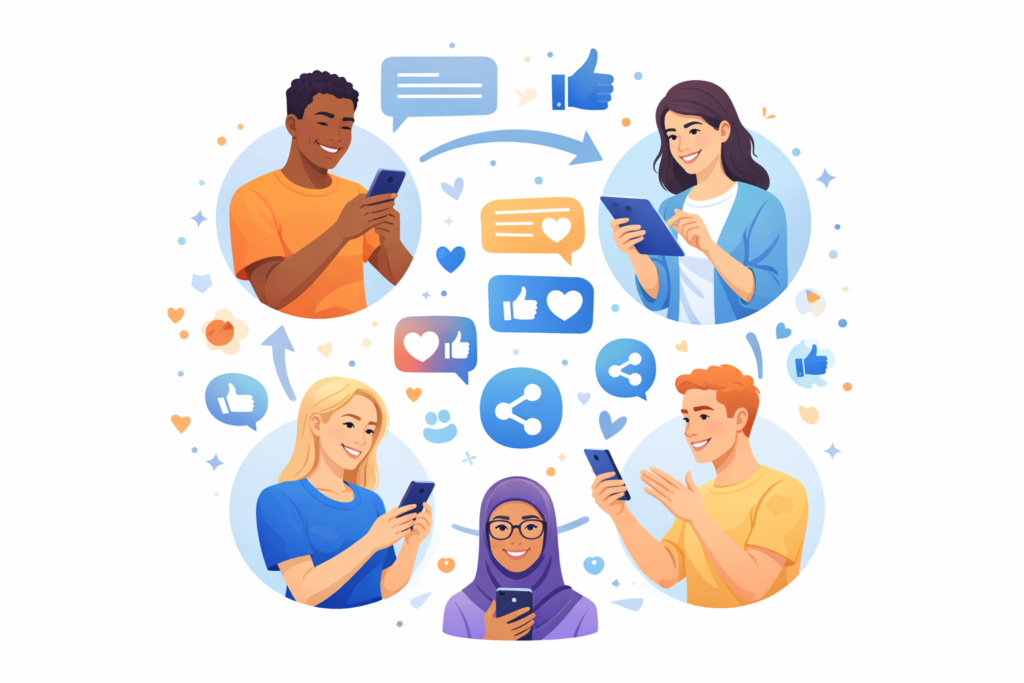
Consistency matters here too. Posting randomly or disappearing for months breaks trust. A predictable content rhythm builds familiarity. Think of it like a favorite TV show—people show up because they know when to expect it.
Community-driven brands listen more than they speak. They reply to comments, acknowledge feedback, and invite participation through polls, Q&A sessions, and user-generated content. This turns audiences into advocates.
Social proof—likes, shares, comments—acts as a trust signal. When people see others engaging with your brand, they feel safer engaging themselves. Over time, this creates a flywheel of loyalty and word-of-mouth growth.
Email Marketing and Marketing Automation for Brand Retention
While social platforms change and algorithms fluctuate, email remains one of the most reliable digital branding channels. Why? Because it’s permission-based. People invite you into their inbox.
Long-term brands use email marketing to nurture relationships, not just push promotions. Welcome sequences, educational newsletters, and personalized updates keep the brand top-of-mind without being intrusive.
Marketing automation allows brands to scale personalization. Based on user behavior—downloads, page visits, purchases—you can deliver relevant content at the right time. This feels helpful, not spammy.
Strong email branding includes:
-
Consistent visual design
-
A recognizable sender name
-
A clear, friendly tone
The inbox is intimate. Brands that respect that space earn loyalty. Over time, email becomes a direct line between brand and customer, independent of third-party platforms.
Paid Digital Advertising That Supports Long-Term Brand Equity
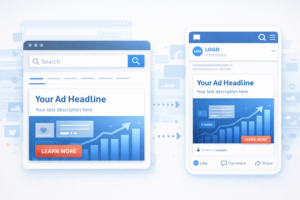
Paid advertising often gets a bad reputation for being short-term focused. But when used strategically, it can accelerate long-term brand growth. The key is intent.
Brand-focused ads prioritize:
-
Storytelling over selling
-
Values over discounts
-
Awareness over immediate ROI
Platforms like Google Ads, Meta Ads, and YouTube allow precise targeting. Long-term brands use this power to introduce themselves to the right audience with the right message.
Retargeting is especially effective. When users repeatedly see a consistent brand message across channels, familiarity grows. Familiarity reduces resistance.
Paid ads should reinforce organic efforts, not replace them. When ads, content, and SEO tell the same story, brand recall multiplies.
User Experience (UX) and Website Optimization
Your website is your brand’s digital home. No matter how great your marketing is, a poor user experience can undo everything. Long-term brands obsess over usability because it directly affects trust.
Key UX elements include:
-
Clear navigation
-
Fast load times
-
Mobile-friendly design
-
Intuitive conversion paths
Trust signals—testimonials, reviews, case studies, security badges—reduce anxiety. People don’t just buy products; they buy confidence.
UX also impacts SEO. Search engines reward sites that users enjoy. Lower bounce rates, longer session times, and higher engagement signal quality.
A well-optimized website doesn’t just convert visitors—it reassures them that they made the right choice.
Data, Analytics, and Continuous Optimization
Long-term branding isn’t guesswork. It’s guided by data. Analytics reveal what’s working, what’s not, and where to improve.
Key metrics for brand growth include: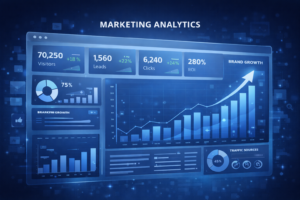
-
Branded search traffic
-
Direct traffic
-
Engagement rates
-
Returning visitors
Attribution models help you understand how different channels work together. A blog post may not convert immediately, but it might influence a later purchase.
Data turns intuition into strategy. But numbers should inform decisions, not replace human judgment. Long-term brands balance analytics with creativity.
Reputation Management and Online Trust Building
Your brand’s reputation exists whether you manage it or not. Reviews, comments, mentions, and social conversations shape perception daily.
Proactive brands monitor online sentiment and respond thoughtfully. They address negative feedback transparently and celebrate positive experiences publicly.
Trust is built in moments of honesty. A well-handled mistake can strengthen a brand more than flawless execution.
Over time, a strong reputation becomes a protective shield. People defend brands they trust.
Adapting to Trends Without Losing Brand Identity
Trends come and go. Long-term brands adapt without losing themselves. They evaluate new platforms, technologies, and formats through the lens of brand values.
AI, voice search, short-form video—these are tools, not strategies. Brands that last use trends to amplify their message, not replace it.
Consistency creates stability. Adaptation creates relevance. Long-term success requires both.
Case Examples of Brands That Built Long-Term Digital Success
Brands like Nike, Apple, and Airbnb didn’t grow by chasing clicks. They told stories, built communities, and delivered consistent value.
Their digital strategies evolved, but their core identity remained intact. That’s the blueprint for long-term branding.
Conclusion
Building a long-term brand with a digital marketing strategy is a marathon, not a sprint. It requires clarity, consistency, patience, and empathy. When SEO, content, social media, email, UX, and data work together, your brand becomes more than visible—it becomes meaningful. And meaningful brands don’t fade; they endure.
FAQs
1. How long does it take to build a long-term digital brand?
Typically 12–36 months of consistent effort, depending on competition and resources.
2. Is SEO more important than social media for branding?
Both matter. SEO builds authority and discoverability, while social media builds connection.
3. Can small businesses build strong long-term brands digitally?
Absolutely. Focus, consistency, and value matter more than budget.
4. How do you measure digital brand success?
Branded searches, engagement, loyalty, and sentiment are key indicators.
5. What’s the biggest mistake in digital branding?
Chasing short-term results at the expense of trust and consistency.