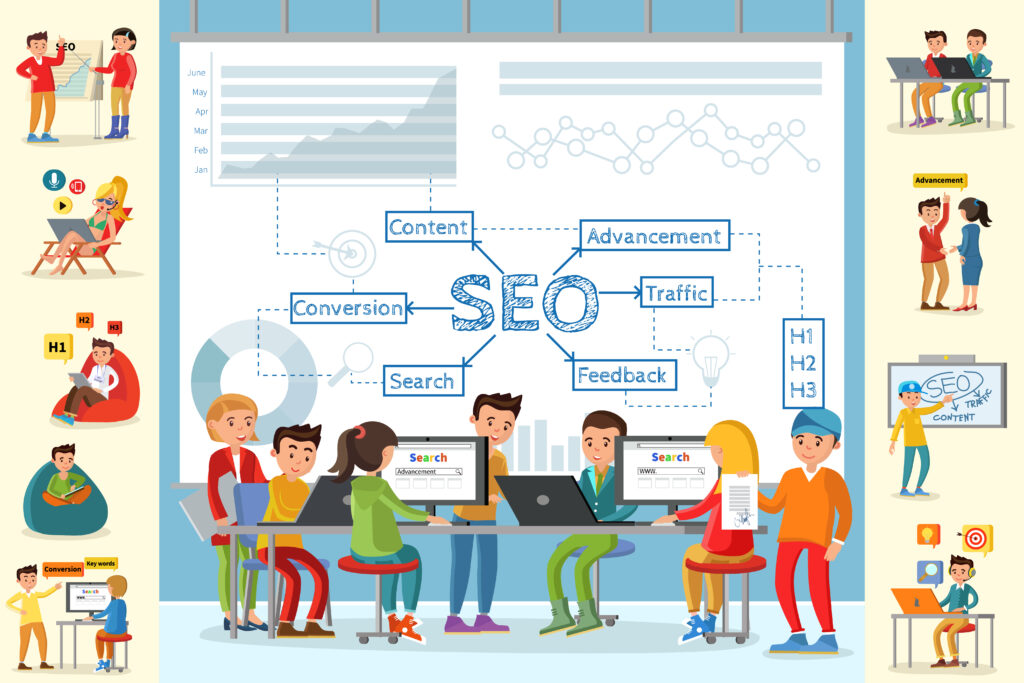
Future of Digital Marketing 2030: What All Needs to Be Updated to Sustain Growth in Digital Marketing
Why 2030 Will Redefine Digital Marketing Forever
Digital marketing in 2030 won’t just be an upgraded version of what we know today—it will be a completely redefined ecosystem. Think of it like comparing a basic mobile phone from the early 2000s to today’s smartphones. Same category, entirely different reality. As technology accelerates and consumer expectations evolve, marketers who rely on outdated strategies will quietly disappear from relevance. The future of digital marketing is deeply connected to artificial intelligence, data ethics, immersive experiences, and trust-driven branding.
By 2030, users won’t tolerate generic ads, irrelevant content, or invasive tracking. They’ll expect brands to understand them without crossing privacy boundaries. Search engines will think more like humans. Social platforms will act more like marketplaces. Content won’t just inform—it will interact, respond, and adapt in real time. This shift means digital marketers must update not only tools and platforms but also their mindset.
Sustaining growth in digital marketing by 2030 requires moving from campaign-based thinking to ecosystem-based strategies. It’s no longer about chasing algorithms; it’s about building authority, credibility, and meaningful relationships. Brands that succeed will be those that combine advanced technology with genuine human understanding. Sounds complex? It is—but it’s also full of opportunity.
In this guide, we’ll break down exactly what needs to be updated to stay relevant in digital marketing by 2030. From SEO and content to AI, privacy, and skills, this is a future-focused roadmap designed for marketers, business owners, and strategists who want to lead—not follow—the next digital revolution.
The Evolution of Digital Marketing: From 2020 to 2030
The journey from 2020 to 2030 is one of the most dramatic transformations digital marketing has ever seen. In 2020, marketers were heavily focused on social media ads, keyword-based SEO, email funnels, and third-party data. Fast forward to 2030, and those tactics alone will feel as outdated as fax machines. Why? Because technology, consumer behavior, and platforms are evolving together at lightning speed.
One of the biggest shifts is how consumers interact with brands. Audiences are no longer passive recipients of marketing messages. They actively choose brands that align with their values, respect their privacy, and deliver personalized experiences. Algorithms have become smarter, but so have users. They can instantly spot inauthentic content or manipulative tactics—and they scroll past without hesitation.
 Technology is the real catalyst here. Artificial intelligence, machine learning, augmented reality, and voice technology are reshaping every stage of the customer journey. Marketing is no longer linear. A user might discover a brand through voice search, research it via AI-generated summaries, experience it through AR, and purchase it on a social platform—all without ever visiting a traditional website.
Another major evolution is the shift from volume to value. In the past, success was measured in clicks, impressions, and traffic. By 2030, success will be measured by engagement depth, lifetime value, trust signals, and community strength. Brands will need to think like publishers, tech companies, and community builders all at once.
To sustain in digital marketing, professionals must understand that the future isn’t about abandoning old strategies—it’s about upgrading them. SEO becomes semantic. Content becomes experiential. Data becomes ethical. And marketing becomes less about selling and more about serving. Those who adapt early will shape the rules. Those who don’t will struggle to stay visible.
Artificial Intelligence as the Core of Digital Marketing
Artificial intelligence isn’t just another tool in digital marketing—it’s becoming the foundation. By 2030, AI will be embedded into every aspect of marketing, from strategy and content creation to customer experience and analytics. Brands that fail to integrate AI intelligently will find themselves outpaced by competitors who operate faster, smarter, and more efficiently.
AI-powered personalization is one of the biggest game-changers. Instead of segmenting audiences into broad categories, AI will enable hyper-personalized experiences for individuals in real time. Imagine a website that changes its messaging, visuals, and offers instantly based on a user’s behavior, mood, location, and intent. That’s not science fiction—it’s the baseline expectation by 2030.
 Predictive analytics will also redefine decision-making. Rather than analyzing what happened last month, marketers will rely on AI to predict what customers are likely to do next. This means smarter ad spending, better content planning, and more accurate demand forecasting. Marketing strategies will shift from reactive to proactive, giving brands a massive competitive edge.
Content creation is another area undergoing transformation. AI will assist in generating drafts, optimizing headlines, analyzing search intent, and even creating video and audio content. But here’s the catch—AI alone won’t win. Human creativity, storytelling, and emotional intelligence will be the differentiators. The brands that succeed will use AI as a co-pilot, not a replacement.
To sustain in digital marketing by 2030, marketers must update their skill sets to include AI literacy. Understanding how to prompt, evaluate, and ethically use AI will be just as important as understanding SEO or social media once was. AI isn’t replacing marketers—it’s replacing marketers who don’t adapt.
Search Engines in 2030: Beyond Keywords
By 2030, search engines will no longer behave like simple index-and-retrieve machines. They will function more like intelligent assistants that understand intent, context, emotion, and even situational needs. The era of stuffing keywords and chasing exact-match phrases is already fading, and by 2030 it will be completely obsolete. Search will move far beyond keywords into a world dominated by conversations, visuals, and predictive responses.
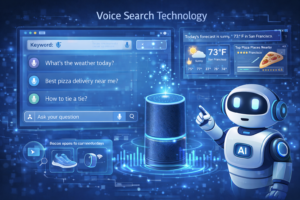 Voice search will become one of the primary ways people interact with search engines. Instead of typing fragmented queries like “best digital marketing tools,” users will ask full, conversational questions such as, “What digital marketing strategies will still work in 2030 for small businesses?” This shift forces marketers to update content structures to sound natural, conversational, and human. Content will need to answer questions clearly, directly, and contextually—almost like having a dialogue with the reader.
Visual and multimodal search will also redefine discoverability. Users will search using images, videos, screenshots, and even real-world objects captured through smart glasses or mobile cameras. Search engines will analyze visuals, text, audio, and behavior together. This means optimizing only text won’t be enough. Brands must update their SEO strategies to include image SEO, video metadata, schema markup, and multimodal optimization.
Another major change is the dominance of zero-click searches. By 2030, search engines will answer many queries directly on the results page using AI-generated summaries. While this may reduce website clicks, it increases the importance of brand visibility, authority, and entity recognition. If your brand becomes a trusted source, search engines will reference you—even without a click.
To sustain digital marketing success, SEO must evolve into “Search Experience Optimization.” It’s no longer about ranking first; it’s about being the best answer. Brands must focus on topical authority, structured data, and genuine expertise. Those who adapt will remain visible. Those who don’t will quietly vanish from search results.
Content Marketing Transformation
Content marketing in 2030 will look less like publishing and more like experience design. The days of churning out generic blog posts for traffic are over. Instead, content will be judged by how deeply it connects, how long it engages, and how well it solves real problems. Quality won’t just matter—it will be everything.
Human-centric content will dominate. Audiences are already tired of robotic, repetitive information. By 2030, they will crave authenticity, personal stories, opinions, and lived experiences. Brands will need to sound less like corporations and more like trusted advisors. This means sharing insights, lessons learned, failures, and behind-the-scenes perspectives that feel real and relatable.
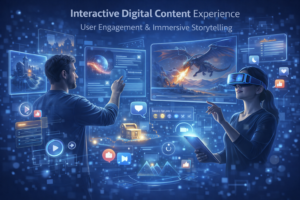 Interactive content will also become a standard expectation. Quizzes, calculators, interactive guides, personalized dashboards, and AI-driven content paths will replace static articles. Users won’t just read content—they’ll interact with it. This level of engagement increases dwell time, builds trust, and sends strong quality signals to search engines and platforms.
Long-form, authoritative content will play a critical role in building E-E-A-T (Experience, Expertise, Authoritativeness, Trustworthiness). By 2030, search engines will prioritize content that demonstrates real-world experience and subject mastery. This means shallow content will disappear, while in-depth guides, research-backed insights, and expert-led narratives will rise.
To sustain in digital marketing, brands must update their content strategy from volume-based production to value-based storytelling. Content teams will need to collaborate with subject matter experts, data analysts, and UX designers. The future belongs to brands that educate, inspire, and genuinely help their audiences—not just those who publish the most.
The Rise of Web 3.0 and Decentralized Marketing
Web 3.0 will fundamentally change how brands interact with audiences. Unlike Web 2.0, which is dominated by centralized platforms, Web 3.0 emphasizes decentralization, ownership, and transparency. By 2030, this shift will significantly impact digital marketing strategies.
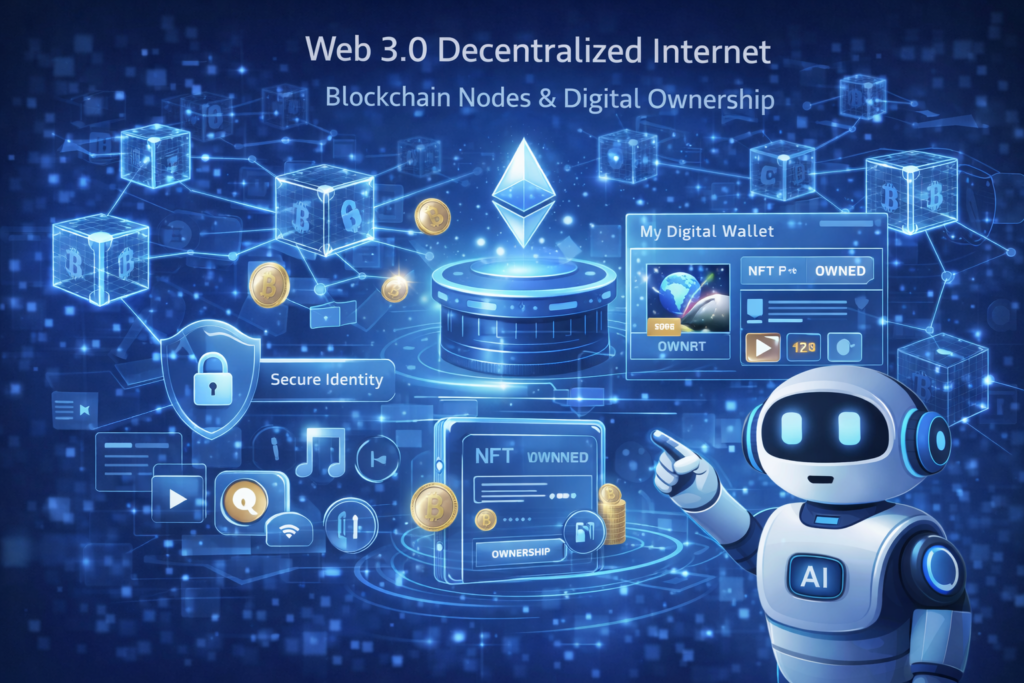
Blockchain technology will introduce unprecedented transparency. Consumers will be able to verify claims, track supply chains, and confirm authenticity instantly. For marketers, this means exaggerated claims and misleading ads won’t survive. Trust will become a measurable asset, and brands that operate transparently will gain a massive advantage.
NFTs and tokenization will redefine engagement. Instead of loyalty points, brands may offer digital assets that provide access, status, or ownership within a community. These tokens can unlock exclusive content, events, or decision-making power. Marketing will feel less like persuasion and more like participation.
Ownership-based communities will replace traditional audiences. Customers won’t just follow brands—they’ll co-create with them. This creates deeper emotional connections and long-term loyalty. However, it also requires brands to give up some control and listen more actively.
To sustain in digital marketing by 2030, businesses must update their mindset from “owning attention” to “earning trust.” Web 3.0 rewards brands that empower users, respect data ownership, and build genuine communities rather than chasing short-term conversions.
Social Media Marketing in 2030
Social media in 2030 will no longer be just about likes, shares, and followers. It will function as a hybrid of community platforms, entertainment hubs, and e-commerce ecosystems. Brands that treat social media as an advertising-only channel will struggle to stay relevant.
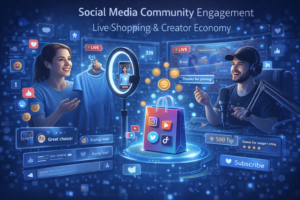 Community-led growth will become the dominant strategy. Successful brands will focus on nurturing micro-communities where members feel heard, valued, and involved. These communities will drive organic growth through conversations, collaborations, and shared experiences rather than paid reach alone.
AI-driven algorithms will become even more sophisticated, prioritizing meaningful interactions over engagement bait. This means brands must create content that sparks genuine discussions, not just quick reactions. Storytelling, live interactions, and behind-the-scenes content will outperform polished but impersonal posts.
Social commerce will also explode. By 2030, users will complete the entire buyer journey—from discovery to purchase—without leaving social platforms. This requires seamless integration of content, trust signals, reviews, and customer support within social environments.
To sustain digital marketing success, brands must update their social strategies to focus on relationships, not reach. Social media managers will need skills in community management, customer experience, and data interpretation. The brands that win will be those that feel human in a digital world.
Data Privacy, Ethics, and Trust Marketing
 By 2030, data privacy won’t be optional—it will be foundational. With stricter regulations and growing consumer awareness, brands that misuse data will face not just penalties but reputational damage that’s hard to recover from. Trust will become one of the most valuable currencies in digital marketing.
The cookieless future will force marketers to rely on first-party and zero-party data. This means collecting data directly from users with clear consent and transparent value exchange. Instead of secretly tracking behavior, brands will need to ask users what they want—and respect their choices.
Ethical use of AI will also be critical. Consumers will want to know how algorithms influence what they see, buy, and believe. Brands that openly communicate how they use AI and data will stand out as trustworthy and responsible.
Trust marketing will directly impact SEO, conversions, and brand loyalty. Reviews, testimonials, brand mentions, and community feedback will act as powerful ranking and decision-making signals. Trust won’t be built through slogans—it will be earned through consistent actions.
To sustain in digital marketing, brands must update policies, processes, and messaging to prioritize transparency. Ethical marketing won’t just be good practice—it will be a competitive advantage.
Marketing Automation and Hyper-Personalization
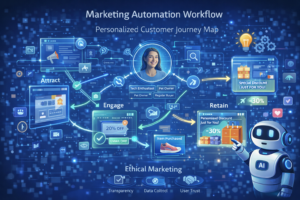 By 2030, marketing automation will no longer feel automated—it will feel intuitive, almost human. The old idea of setting up rigid email sequences or predefined funnels will be replaced by dynamic, real-time customer journeys that adapt instantly to behavior, intent, and context. Automation will become smarter, faster, and deeply personalized.
Hyper-personalization will sit at the core of future marketing strategies. Instead of addressing users by their first name and sending generic recommendations, brands will tailor experiences based on real-time signals such as browsing patterns, emotional cues, device usage, and even micro-moments. Imagine receiving content or offers that feel like they were created exactly for you at that moment—that’s the new standard.
Real-time customer journeys will replace static funnels. A user might interact with a brand through a voice assistant, then continue the journey on social media, and finally convert through a smart device or immersive experience. Automation platforms will connect all these touchpoints into one seamless journey. This requires marketers to update their understanding of omnichannel behavior and customer experience mapping.
Emotional and behavioral targeting will also rise. AI will analyze not just what users do, but how they feel—frustrated, curious, excited, or hesitant. Marketing messages will adjust tone, timing, and format accordingly. While powerful, this approach demands ethical boundaries and transparency.
To sustain in digital marketing by 2030, marketers must update automation strategies to prioritize relevance over frequency. The goal won’t be to send more messages, but to send the right message at the right moment. Automation will become a strategic asset, not just a time-saving tool.
Video, Audio, and Immersive Media Dominance
By 2030, content consumption will be overwhelmingly visual and auditory. Text will still matter, but video, audio, and immersive media will dominate how audiences learn, discover, and connect with brands. Digital marketing strategies must evolve to meet this shift head-on.
Video content will continue to split into two powerful formats: short-form and long-form. Short-form videos will drive discovery and engagement, while long-form videos will build trust, authority, and deeper connections. Brands must update their video strategies to serve both purposes without sacrificing quality or authenticity.
Audio content will rise alongside smart speakers, voice assistants, and wearable devices. Podcasts, voice ads, and audio-based search optimization will become essential. Marketers will need to think about how their content sounds, not just how it looks or reads. Audio SEO—optimizing for voice-based discovery—will be a critical skill.
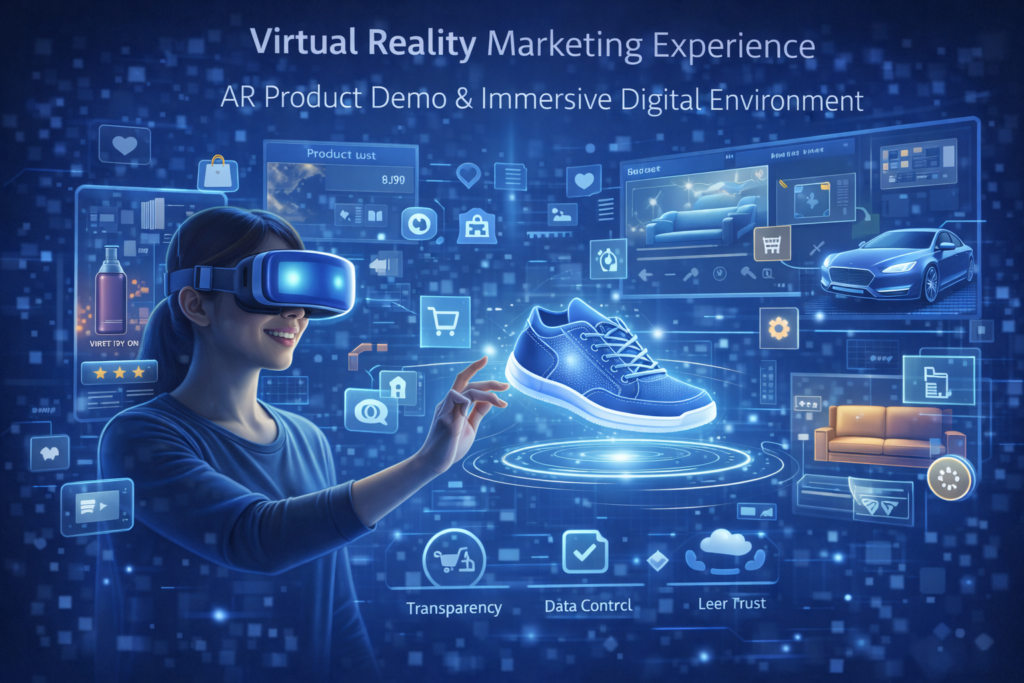
Immersive technologies like augmented reality (AR), virtual reality (VR), and the metaverse will redefine brand experiences. Customers may try products virtually, attend digital events, or explore branded environments. These experiences won’t just entertain—they’ll influence purchasing decisions and brand perception.
To sustain digital marketing success, brands must update content production workflows to include multimedia storytelling. This means investing in creative talent, technology, and user experience design. The future belongs to brands that don’t just tell stories—but let audiences step inside them.
Influencer Marketing Evolution
Influencer marketing in 2030 will be far more strategic and data-driven than it is today. The era of paying for follower counts will be long gone. Instead, influence will be measured by trust, relevance, and real impact on audience behavior.
Micro and nano influencers will dominate. These creators may have smaller audiences, but their communities are highly engaged and loyal. Brands will prioritize long-term partnerships over one-off promotions, focusing on shared values and authentic storytelling.
AI-generated influencers will also enter the mainstream. While controversial, virtual influencers offer consistency, scalability, and creative control. However, human influencers will still hold an edge in authenticity and emotional connection. Brands must carefully balance innovation with credibility.
Performance-based partnerships will become the norm. Influencer campaigns will be tied directly to measurable outcomes such as conversions, engagement quality, and customer retention. This shift will require better tracking, transparent reporting, and fair compensation models.
To sustain in digital marketing, brands must update influencer strategies to focus on relationships, not reach. Influencer marketing will blend seamlessly with community building, content creation, and social commerce.
SEO in 2030: What Must Be Updated
SEO in 2030 will be less about technical tricks and more about holistic authority. Search engines will evaluate brands as entities, not just collections of pages. This means SEO strategies must evolve significantly to remain effective.
 Semantic SEO will replace traditional keyword targeting. Content must cover topics comprehensively, answering related questions and demonstrating deep understanding. Building topical authority will be more important than ranking for individual keywords.
Technical SEO will still matter, but in new ways. Websites must be optimized for AI crawlers, fast loading, accessibility, and multimodal content. Structured data, schema markup, and clean site architecture will be essential for visibility in AI-driven search results.
Brand signals will play a major role. Mentions, reviews, backlinks, social proof, and real-world reputation will influence rankings. SEO will merge with PR, branding, and content marketing into a single ecosystem.
To sustain in digital marketing by 2030, SEO professionals must update their approach from tactical optimization to strategic brand building. Ranking well will be a byproduct of being genuinely valuable and trustworthy.
Performance Marketing and Analytics
Performance marketing will undergo a major transformation by 2030. Traditional metrics like clicks and impressions will no longer provide enough insight. Marketers will need to adopt more advanced analytics to understand true impact.
Predictive and prescriptive analytics will become standard. Instead of reporting what happened, analytics tools will recommend what actions to take next. This empowers marketers to make faster, smarter decisions with greater confidence.
Attribution modeling will also evolve. With users interacting across multiple devices and platforms, single-touch attribution will be obsolete. AI-driven models will assign value across the entire customer journey, offering a clearer picture of what truly drives results.
ROI measurement will extend beyond revenue. Engagement depth, brand trust, community growth, and customer lifetime value will become key performance indicators. Marketing success will be measured holistically, not just financially.
To sustain digital marketing success, brands must update analytics frameworks and invest in data literacy. Understanding data will be just as important as creativity in the future.
Skills Digital Marketers Must Learn
By 2030, the role of a digital marketer will look very different from today. Many repetitive and execution-heavy tasks will be automated by AI, which means human marketers must evolve from doers to thinkers. The most valuable marketers won’t be those who know every tool—but those who understand strategy, psychology, and technology at a deeper level.
AI literacy will be a non-negotiable skill. Marketers won’t need to become data scientists, but they must understand how AI works, how to guide it with effective prompts, and how to evaluate its output critically. Prompt engineering, model bias awareness, and ethical AI usage will become everyday skills, just like keyword research once was.
Data storytelling will also be essential. With access to massive amounts of data, the real challenge will be turning insights into compelling narratives that influence decisions. Marketers must learn how to interpret data, identify patterns, and communicate findings in a way that inspires action across teams and stakeholders.
Strategic thinking will outweigh tactical execution. Tools will change, platforms will rise and fall, but strategy remains timeless. Understanding customer behavior, market dynamics, and long-term brand positioning will separate future leaders from average practitioners.
To sustain in digital marketing by 2030, professionals must commit to continuous learning. Certifications, experimentation, and cross-disciplinary knowledge will become career necessities. The future rewards curiosity, adaptability, and critical thinking.
Future-Proof Digital Marketing Strategy
A future-proof digital marketing strategy isn’t about predicting every trend—it’s about building systems that adapt to change. By 2030, the pace of innovation will be so fast that rigid plans will quickly become irrelevant. Flexibility will be the ultimate competitive advantage.
Agile frameworks will replace long-term static plans. Marketers will test, learn, iterate, and scale continuously. Campaigns will evolve in real time based on performance data and user feedback. This requires cross-functional collaboration between marketing, product, data, and customer experience teams.
A culture of continuous learning will be critical. Teams must stay updated on emerging technologies, platform changes, and consumer behavior shifts. Brands that invest in learning and experimentation will consistently outperform those that play it safe.
Building sustainable digital brands will also take priority. Short-term growth tactics may deliver quick wins, but long-term success depends on trust, consistency, and value creation. Brands must align marketing efforts with purpose, values, and genuine customer needs.
To sustain digital marketing success beyond 2030, businesses must update not just tools and tactics—but their mindset. The future belongs to brands that evolve with their audience, not chase them.
Conclusion: Sustaining Digital Marketing Success Beyond 2030
The future of digital marketing in 2030 is both exciting and demanding. It’s a landscape shaped by AI, immersive technology, ethical data use, and human-centered experiences. To sustain in this future, marketers must move beyond outdated tactics and embrace continuous evolution.
Success won’t come from chasing every new platform or trend. It will come from understanding people, leveraging technology responsibly, and building trust over time. SEO will become semantic. Content will become experiential. Social media will become community-driven. And marketing itself will become more human—even as it becomes more automated.
Those who adapt early, invest in learning, and prioritize value over volume will thrive. Those who resist change will struggle to stay visible and relevant. The future of digital marketing isn’t about survival—it’s about transformation.
FAQs
1. Will AI completely replace digital marketers by 2030?
No. AI will automate repetitive tasks, but human creativity, strategy, and emotional intelligence will remain irreplaceable.
2. Is SEO still relevant in 2030?
Yes, but it evolves into semantic, entity-based, and experience-driven optimization rather than keyword stuffing.
3. What is the most important skill for future digital marketers?
Strategic thinking combined with AI literacy and data interpretation will be critical.
4. How important is data privacy in future digital marketing?
Extremely important. Trust and ethical data use will directly impact rankings, conversions, and brand loyalty.
5. How can businesses prepare today for digital marketing in 2030?
Invest in learning, focus on customer experience, adopt AI responsibly, and build long-term brand trust.